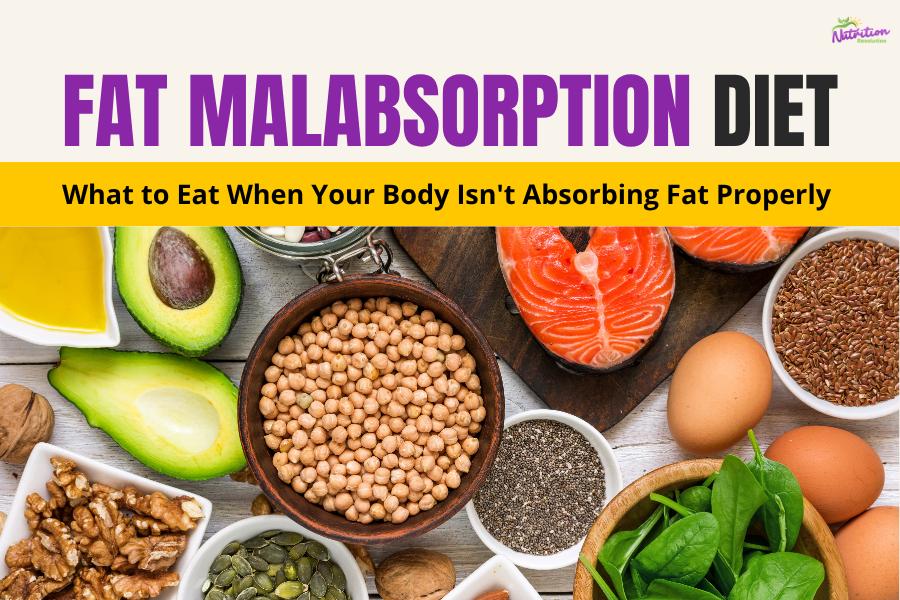
You’re Not Alone — and It’s Reversible
If you’ve recently been told you have fatty liver or NAFLD (nonalcoholic fatty liver disease), you’re probably wondering what that even means and whether it’s something to worry about. You might have heard terms like alcoholic fatty liver and nonalcoholic fatty liver disease (NAFLD — now called metabolic dysfunction–associated steatotic liver disease, or MASLD) and felt confused, scared, or unsure what to do next. You’re not alone — this diagnosis has become incredibly common, and the good news is that in most cases, it’s completely reversible through the right fatty liver diet plan and lifestyle changes.
Fatty liver isn’t a random problem; it’s a sign that your metabolism and liver are asking for support. The liver is your body’s main processing center, managing everything from blood sugar balance to detoxification. When it becomes overloaded, often from too much sugar, refined carbs, or inflammation, fat starts to build up in the liver cells. Including foods good for your liver, such as high-fiber veggies, whole grains, and omega-3–rich foods, is key to building a healthy liver diet that can completely turn that process around.
In this article, we’ll walk through what fatty liver actually is, what causes it, and how to reverse it naturally with foods good for liver health. You’ll also get a free 7-day meal plan for fatty liver (PDF) designed by our GI-specialized dietitians at Nutrition Resolution — a simple, evidence-based liver diet plan to start healing your liver through food, one meal at a time.
The goal is to move toward a Mediterranean-style fatty liver diet — the most studied and effective pattern for reversing fatty liver and improving insulin sensitivity. But here’s the catch: if you’re also dealing with IBS, SIBO, or general gut reactivity, many classic Mediterranean foods can be tough to tolerate at first. That’s why our approach focuses on calming and rebalancing the gut first, so you can gradually expand variety and fully benefit from liver-friendly whole grains, fiber-rich produce, lean proteins, and healthy fats that support liver health.
Download the Free 7-Day Fatty Liver Meal Plan (PDF)
Start supporting your liver with real food, not restriction. Our GI-specialized dietitians created this 7-day meal plan for fatty liver to balance blood sugar, calm inflammation, and help you feel better fast — one simple meal at a time.
What Is Fatty Liver (and Why It Happens)

When someone is told they have fatty liver disease, the first question I usually get is, “But what does that actually mean?” Simply put, it means there’s too much fat being stored inside the liver cells — kind of like packing away groceries into a fridge that’s already full. Over time, that “overflow” makes it harder for the liver to do its job — processing nutrients, filtering toxins, and balancing your metabolism.
Most cases of fatty liver aren’t caused by alcohol. They’re what’s now called metabolic dysfunction–associated steatotic liver disease (MASLD) — previously known as nonalcoholic fatty liver disease (NAFLD) — which is linked to everyday metabolic factors like insulin resistance, excess sugar and refined carbs, and chronic low-grade inflammation. When blood sugar stays high for too long, the body converts some of that excess sugar into fat, and the liver is one of the first places it accumulates.
While most fatty liver cases are metabolic, alcoholic fatty liver, caused by excess alcohol intake, can look similar under a microscope. Regardless of the type, following a balanced liver diet that includes liver-friendly foods can help reduce fat buildup, calm inflammation, and support liver repair.
Fatty liver often shows up alongside other signs of metabolic imbalance, like high blood sugar, elevated triglycerides, or carrying extra weight around the midsection. It’s not technically part of the official “metabolic syndrome” checklist, but it shares the same root cause — insulin resistance. That’s why improving blood sugar balance and inflammation through a fatty liver diet plan can make such a difference for both liver health and overall metabolism.
Here’s something most people don’t realize: NAFLD isn’t rare at all. It’s a spectrum that can range from very mild to more advanced stages. Studies suggest that more than two-thirds of people with overweight or obesity have at least some fat accumulation in their liver, even if they feel completely fine. The good news is that even a small amount of weight loss — as little as 5–10% — can dramatically reduce liver fat and inflammation.
Think of your liver like your body’s filter. When too much fat builds up, it’s like trying to run water through a clogged Brita — it still works, but not efficiently. That “traffic jam” can cause ripple effects throughout the body: blood sugar becomes harder to regulate, cholesterol and triglycerides rise, and inflammation increases. Over time, this raises the risk for diabetes, heart disease, and more advanced liver damage if nothing changes.
The liver’s connection to the gut is a big part of this picture. The gut–liver axis means what happens in the digestive tract directly affects liver health. When the gut microbiome is imbalanced or the intestinal lining becomes more permeable, inflammatory byproducts can flow straight to the liver, amplifying fat storage and inflammation. Supporting gut health with whole grains, fiber-rich foods, and fresh fruits and vegetables can help restore balance and protect the liver.
But here’s the good news — and it’s really good news. The liver is one of the most resilient organs in the body. It can heal and regenerate when given the right conditions, and that’s where foods good for your liver become powerful. The foods you eat can literally turn this process around — reducing fat in the liver, calming inflammation, and restoring your body’s ability to metabolize efficiently again.
One of my clients came to me completely panicked after her doctor told her she had fatty liver and her liver enzymes were high. She didn’t drink alcohol and couldn’t wrap her head around how her liver had become “fatty.” Her doctor told her to lose weight, but she didn’t know what to eat or how to actually do that in a way that would help her liver heal.
We started simple — balancing her blood sugar by adding more protein to meals, cutting back on refined carbs and sugary snacks, and focusing on liver-friendly foods that support the liver, like baked sweet potato, plain Greek yogurt, and nut butter paired with whole grain toast for balanced breakfasts. Over about three months, she lost just under 10 pounds — nothing extreme — but her energy came back, her digestion improved, and her follow-up labs showed her liver enzymes had dropped back into the normal range. She said the best part wasn’t just seeing the numbers improve; it was finally feeling in control of her health again, instead of scared and confused And that’s exactly what our Free 7-Day Fatty Liver Meal Plan PDF was designed to do — help you take that healing process one meal at a time, using real, everyday foods that reduce fat in the liver and restore balance.
Ready to Feel in Control Again?
Our 7-Day Meal Plan for Fatty Liver (PDF) is the same framework we use with clients who’ve lowered their liver enzymes, balanced their energy, and improved digestion — all by enjoying healthy foods for liver that actually taste great.
Is Fatty Liver Dangerous, and Is It Reversible?

When people first hear they have fatty liver disease, the fear kicks in fast. I’ve had so many clients say, “I thought that meant my liver was damaged or failing.” The truth is, in most cases, fatty liver — whether alcoholic fatty liver or nonalcoholic fatty liver disease (NAFLD) — is completely reversible, especially when caught early. The liver is remarkably resilient — it can actually regenerate and repair itself when given the right conditions through a liver-friendly diet plan and consistent lifestyle changes.
Fatty liver exists on a spectrum. On one end is simple fatty liver, where fat has built up in the liver cells, but there’s little to no inflammation or scarring. On the more advanced end is nonalcoholic steatohepatitis (NASH) — now called metabolic dysfunction–associated steatohepatitis (MASH) — which involves inflammation and damage to liver tissue. The earlier you catch it, the easier it is to reverse with healthy foods for liver repair and a targeted fatty liver diet plan.
💡 Quick, Research-Backed Wins for a Healthier Liver
• A Mediterranean-style liver diet helps reduce fat in the liver and improve insulin sensitivity, even if you don’t lose weight.
• Drinking coffee (if you tolerate it) is linked with better liver health and a lower risk of scarring — woohoo! ☕
• Even small weight changes matter: losing about 5% of your body weight can start improving liver fat, and around 10% can actually help reverse inflammation and scarring.
Most people don’t know they have fatty liver until it shows up on labs or imaging. Often, it’s discovered accidentally — maybe your doctor ran routine bloodwork and found your ALT and AST were mildly elevated, or you had an ultrasound for something else that showed extra fat in the liver. It’s usually not painful, which is why it can go unnoticed for years. But that early detection is actually good news — it means there’s still a wide-open window to turn things around naturally through a fatty liver diet and liver-friendly meals.
If left unchecked, fat buildup can trigger inflammation that slowly damages liver tissue over time, increasing the risk of fibrosis, cirrhosis, or even liver cancer. But here’s the empowering part: this process can be stopped — and even reversed — through a consistent diet plan for fatty liver that focuses on foods that are good for the liver, including whole grains and fresh vegetables. The research is clear — lifestyle changes that improve insulin sensitivity and reduce inflammation can dramatically lower liver fat and normalize enzymes, often within just a few months.
From a functional nutrition perspective, we look beyond calories or weight loss and focus on the patterns that stress the liver — things like unstable blood sugar, chronic inflammation, sluggish bile flow, and poor gut health. When those systems are supported through a healthy liver diet, the liver naturally clears out excess fat, and inflammation begins to calm down.
I’ve seen this play out many times, not from restriction or detoxes, but through small, consistent nutrition shifts that truly support your metabolism and help your liver recover.
And speaking of functional nutrition, we can’t talk about healing without looking at why the problem started in the first place. So let’s dig into the root causes of fatty liver and what really drives it — and how your liver-friendly diet plan can start reversing it right away..
The Root Causes: What Drives Fatty Liver

Most people are surprised to learn that fatty liver disease isn’t really about the liver itself; it’s a metabolic condition that just happens to show up there first. The same patterns that lead to weight gain, high triglycerides, and blood sugar swings are often the ones fueling fat buildup in the liver. That’s why addressing the root causes through a liver-friendly diet and lifestyle changes is so important.
Here are the biggest root causes I see in practice:
1. Insulin resistance.
This is the central driver for most people with NAFLD. When your cells stop responding efficiently to insulin, blood sugar and insulin levels stay elevated longer after meals. The liver responds by turning that extra sugar into fat. Over time, that stored fat begins to build up inside liver cells. This process often starts silently, years before blood sugar or A1C levels flag as “high.” Supporting insulin sensitivity with a healthy liver diet that includes whole grains, fresh produce, and foods good for the liver can help break this cycle.
2. Diets high in refined carbs and added sugars.
Frequent spikes in blood sugar and insulin from sweetened drinks, pastries, or processed snacks accelerate fat production in the liver. One of the biggest culprits is fructose, especially from sodas, juice, and sweetened coffee drinks, which the liver metabolizes directly into fat. Replacing these foods with whole-grain carbs and fresh fruits can be one of the most effective changes in a fatty liver diet plan.
3. Inflammation and oxidative stress.
When the body is under chronic, low-grade inflammation from stress, poor diet quality, sleep deprivation, or even environmental toxins, the liver becomes more susceptible to oxidative stress. This damages liver cells and slows down normal repair and detox processes, allowing fat and inflammation to accumulate. Anti-inflammatory liver healing foods like leafy greens, berries, and omega-3–rich fish support the liver’s natural defenses and are core to any diet plan for fatty liver.
4. Gut health imbalances.
The gut-liver axis means that anything affecting the gut affects the liver, too. When the gut microbiome is out of balance or the intestinal lining becomes more permeable (“leaky gut”), inflammatory byproducts can travel straight to the liver through the portal vein. This adds extra stress and can worsen insulin resistance. Balancing the gut with fiber-rich foods, whole grains, and fresh vegetables helps protect the liver and promotes detoxification naturally.
It’s also worth noting that gut-related dysfunction can raise liver enzymes even without fatty liver. For example, one of my current clients is actually underweight and struggles with chronic constipation. Her liver enzymes came back high, not because of fat buildup, but because her body wasn’t eliminating waste efficiently. When bile and toxins recirculate instead of moving out through the gut, it puts extra strain on the liver. We’ve been focusing on restoring healthy motility, gentle bile support, and daily nourishment, and already she’s starting to feel more energized and regular.
5. SIBO shows up more often than you’d think
SIBO (small intestinal bacterial overgrowth) is more common in metabolic liver disease than most people realize. Research suggests roughly a quarter to a third of people with fatty liver may also have SIBO, and the risk appears higher in certain groups. If you suspect it, it’s worth assessing and treating, because ongoing overgrowth can keep liver inflammation and insulin resistance smoldering. Addressing it allows for better tolerance of liver-friendly foods and makes a Mediterranean-style liver diet more effective.
6. Sluggish bile flow.
Bile isn’t just for digesting fat; it’s also how the liver eliminates waste, cholesterol, and old hormones. When bile flow is sluggish, the liver’s natural detox and fat-processing systems slow down, and inflammation tends to rise. Supporting bile flow through nutrients like choline (found in eggs and salmon), leafy greens, and bitters can make a big difference in liver efficiency.
7. Sedentary lifestyle.
Lack of physical activity means less glucose uptake by muscles, which keeps blood sugar and insulin levels higher throughout the day. Regular movement, even simple walking or resistance training, improves insulin sensitivity, enhances fat metabolism, and supports liver health. Pairing exercise with a liver-friendly diet plan accelerates improvement even without major weight loss.
8. Chronic stress.
Cortisol, our main stress hormone, can promote fat storage around the abdomen and influence insulin resistance. High stress also tends to drive habits that indirectly worsen fatty liver, like irregular eating, poor sleep, and sugar cravings.
The key takeaway: fatty liver disease isn’t caused by one single thing — it’s a combination of metabolic, inflammatory, and lifestyle factors that layer over time. And that’s why the solution isn’t just about cutting calories or taking supplements. It’s about bringing all these systems back into balance: something liver friendly foods can do incredibly well when used strategically.
How Nutrition Heals the Liver

The most powerful medicine for fatty liver disease isn’t found in a pill; it’s on your plate. The liver is designed to heal, but it can only do that when we stop overloading it with sugar and processed foods and start feeding it the nutrients it needs to metabolize efficiently again.
The first step is stabilizing blood sugar. When your blood sugar stays steady throughout the day, insulin levels come down, which gives your liver a chance to start clearing stored fat instead of constantly making more. This is why protein at every meal, paired with fiber-rich carbs and healthy fats, makes such a difference. It’s not about cutting all carbs, it’s about choosing the right ones and balancing them well.
Healthy fats are another key player. The right fats, like those in salmon, walnuts, olive oil, flax, and avocado, help reduce liver inflammation and improve triglyceride metabolism. In contrast, trans fats, fried foods, and excess saturated fats make the liver’s job harder. A Mediterranean-style pattern naturally brings these elements together — extra-virgin olive oil and nuts for MUFAs, fish for omega-3s, and plenty of plants for fiber and polyphenols — a combo consistently linked with less liver fat and better insulin sensitivity. That’s the exact foundation of our healthy liver diet — a simple way to start if you’re looking for a sustainable diet plan for fatty liver.
Fiber and phytonutrients are the liver’s cleanup crew. Fiber and phytonutrients are the liver’s cleanup crew. Soluble fiber binds excess cholesterol and toxins so they can leave the body — think oats, chia seeds, flax, lentils, beans, apples, and citrus. Meanwhile, colorful plant foods like beets, kale, berries, and cruciferous veggies boost antioxidant defenses and glutathione, one of the liver’s main detox molecules. Aim for a mix of cooked and fresh foods, and build simple salads packed with color to get those antioxidants working for your liver. The more variety and color in your meals, the better your liver can do its job.
Don’t underestimate hydration. The liver needs enough fluid to process nutrients, move bile, and flush out waste. Green tea, herbal teas like dandelion or milk thistle, and mineral-rich bone broths do double duty — they hydrate and deliver antioxidants, phytonutrients, and electrolytes that support the liver’s detox pathways.
From a functional nutrition perspective, healing isn’t about a quick detox or restriction — it’s about creating the right nutrient environment for repair. When blood sugar, inflammation, and gut function are supported, the liver naturally releases fat and restores balance. That’s why many people notice their energy, digestion, and even mood improving long before labs change.
If your gut is reactive, we’ll phase into the Mediterranean pattern gradually — starting with lower-FODMAP swaps and gentler textures, then widening variety as symptoms settle so you can sustain it comfortably long-term.
At Nutrition Resolution, this is the foundation we use with every client: building meals that balance blood sugar, calm inflammation, and support detox pathways without restriction or extremes. Once those basics are in place, everything else — from liver enzymes to energy levels — begins to fall into line naturally.
A 7-Day Meal Plan for Fatty Liver: Your First Step Toward Healing

Once you understand how food impacts liver health, the next question is usually, “So what should I actually eat?” That’s exactly why we created the 7-Day Liver Support Meal Plan — to give you a simple, evidence-based place to start. If you’re wondering about the best foods to eat for fatty liver, this plan was designed to make those choices simple and satisfying.
This free plan was developed by me and the GI-specialized dietitian team at Nutrition Resolution to help you begin restoring balance through real, everyday food. It’s built around the same principles we use with our one-on-one clients — blood sugar balance, inflammation control, gut health support, and liver-friendly nutrients — simplified into an easy, ready-to-follow fatty liver diet plan.
What You’ll Find Inside
- Balanced meals with steady protein, fiber-rich carbs, and healthy fats to keep blood sugar and insulin stable.
- Liver-loving foods like salmon, kale, beets, and cruciferous veggies that naturally support detox and reduce inflammation.
- Smart carbs such as oats, brown rice, and whole grains like whole grain toast or baked sweet potato that provide fiber and nutrients without overwhelming the liver.
- Hydration support from green tea and water-rich meals that promote detoxification and overall liver function.
- Optional add-ons: if tolerated, 1–2 cups of coffee daily may be beneficial for liver fibrosis risk (skip if it worsens reflux or sleep).
If you’re navigating SIBO or frequent bloating, start with cooked vegetables, lower-FODMAP Mediterranean options, and a gradual reintroduction of raw produce. For an added boost, you can include plain Greek yogurt or nut butter as easy, nutrient-dense additions to your liver-friendly diet, along with dandelion tea or mineral-rich broths — both providing gentle, extra support for liver and bile flow.
This isn’t about a strict diet or a quick fix. It’s about small, consistent steps that lighten the liver’s load and help it function the way it’s meant to. Whether you’re just starting your fatty liver journey or looking to fine-tune your nutrition, this plan makes it easy to begin. You’ll also find easy, everyday recipes for fatty liver that make healing through food both realistic and enjoyable.
You can download the full Free 7-Day Meal Plan for Fatty Liver here
Beyond Diet: Lifestyle Strategies that Boost Results
Food is the foundation for healing fatty liver, but it’s not the whole picture. The liver thrives when the entire body’s rhythm supports it. Movement, rest, and stress balance all influence how efficiently your liver can clear fat, regulate blood sugar, and detoxify.
Gentle movement and strength training
You don’t need high-intensity workouts to make progress. In fact, research shows that even brisk walking or light resistance training can lower liver fat and improve insulin sensitivity. Aim for movement most days of the week — walks after meals, yoga, or bodyweight exercises are all great options. Strength training is especially helpful because it builds muscle, which improves blood sugar balance and supports metabolism long term. Exercise improves liver fat independent of weight loss — even brisk walks and resistance work help.
Hydration and green tea
The liver can’t do its job if you’re dehydrated. Water helps flush out waste products and keeps bile moving. Green tea, which appears throughout the 7-day plan, contains catechins, compounds shown in some studies to reduce liver fat and improve enzyme levels. Sip it warm, over ice, or after meals to gently support digestion and detoxification. Coffee also appears protective for fibrosis in nonalcoholic fatty liver disease (NAFLD) when tolerated.
Restorative sleep
Sleep is when the liver performs much of its cleanup work. Inconsistent or poor-quality sleep raises cortisol and insulin levels, both of which make it harder for the liver to release stored fat. Aim for 7–9 hours of consistent, high-quality sleep. A regular sleep-wake schedule and reducing screen time before bed can make a big difference.
Stress management (the gut-liver-brain link)
Chronic stress changes gut motility, alters the microbiome, and raises cortisol — all of which can feed into insulin resistance and inflammation. Techniques like deep breathing, gentle stretching, journaling, or short mindfulness practices can help regulate the gut-liver-brain axis and keep your digestive and metabolic systems working together.
Functional supports
Some nutrients and herbs can offer extra support, but they’re most effective after the basics are in place. Milk thistle (silymarin) has antioxidant effects that may protect liver cells, N-acetylcysteine (NAC) supports glutathione production, and dandelion tea or bitters can gently stimulate bile flow. These should always complement — not replace — foundational nutrition and lifestyle changes. If you’re already following a healthy liver diet, incorporating these gentle supports or a liver detox recipe can further enhance results.
These simple shifts act as a natural diet to cleanse the liver and restore balance — no extreme cleanses required. When these pieces work together — nourishing food, steady movement, good sleep, and a calmer nervous system — your liver has everything it needs to regenerate and thrive. If you’re looking for a little more structure beyond this plan, we’ve shared some of our favorite detox meals as part of our detox diet for liver cleanse — a 7-day, food-based reset built around real, everyday meals. You can also check out our post, 10 Signs Your Liver Needs Detoxing, to learn how to spot when your body might need extra support.
The Takeaway: Healing Your Liver Starts Today
Fatty liver doesn’t develop overnight, and the good news is, it doesn’t take years to reverse either. With consistent, balanced meals and simple lifestyle shifts, the liver can begin to heal and show improvements in liver fat and enzymes over the following months. You don’t need extreme diets, harsh cleanses, or handfuls of supplements — just the right plan, the right support, and a little consistency.
If you’re ready to take that first step, start with our free meal plan for fatty liver. It’s a simple, evidence-based way to give your liver the nutrients it needs to release stored fat, calm inflammation, and restore balance. You can download our 7-day meal plan for fatty liver PDF and begin building your own liver-friendly foods routine today.
And if you’re ready for more personalized guidance, our Nutrition Resolution team of GI-specialized dietitians works one-on-one with clients every day to uncover the root causes behind NAFLD and other digestive issues. Together, we’ll create a customized fatty liver diet plan that fits your body, your lifestyle, and your goals — no extremes, just sustainable healing.
Healing starts with small, consistent changes, and you don’t have to do it alone.
💪 Take the First Step Toward a Healthier Liver
Download our free 7-Day Fatty Liver Meal Plan PDFand start reducing liver fat, improving energy, and supporting your metabolism — one balanced meal at a time.
FAQ
What diet is best for fatty liver?
The Mediterranean pattern has the strongest evidence for reducing liver fat and improving insulin sensitivity; we tailor it for gut tolerance first, then expand.
Can I improve fatty liver without losing weight?
Yes — diet quality matters. Mediterranean-style eating can lower liver fat even without weight loss, though losing 7–10% amplifies results.
Is coffee good or bad for fatty liver?
Coffee intake is associated with lower odds of significant fibrosis in fatty liver; use if tolerated.
How do gut issues like SIBO play into fatty liver?
SIBO shows up in about 25–35% of fatty liver patients in research. Treating overgrowth and calming the gut can make Mediterranean eating more doable and more effective.
What weight-loss target should I aim for?
5% helps; 7–10% improves NASH; around 10% can even regress fibrosis for many people.
Can this plan help if I’ve been told I have Grade 2 fatty liver?
Yes. The same food-first approach used in our 7-Day Meal Plan for Fatty Liver (PDF) supports liver healing and inflammation reduction at every stage — whether your doctor described it as mild, moderate (Grade 2), or more advanced.