The Low FODMAP Diet is a powerful, science-backed tool designed to help individuals find relief from digestive struggles like bloating, gas, and discomfort. By reducing specific fermentable carbohydrates that can be hard for sensitive guts to digest, it helps manage symptoms effectively. Research shows it can reduce symptoms in up to 70% of people with Irritable Bowel Syndrome (IBS), and in my practice, I’ve found it to be one of the most effective tools for helping people feel better fast and improve their gut health.
The Low FODMAP Diet is a well-researched approach for managing IBS and SIBO symptoms, often recommended when simpler dietary strategies are not effective. Its structured reintroduction phase helps individuals identify personal food triggers, making it a great tool for long-term management. Working with a dietitian can make the process more effective and ensure you’re getting all the nutrients you need.
If you’ve been struggling with unpredictable gut issues, this diet might be exactly what you’ve been looking for. It’s not about restriction forever, but about understanding your body and finding balance. Let’s explore how the Low FODMAP Diet can work for you!
What is the Low-FODMAP Diet?
Many people mistakenly think FODMAP stands for “food maps,” which would make sense, but it’s actually an acronym for Fermentable Oligosaccharides, Disaccharides, Monosaccharides, and Polyols. These are fermentable carbohydrates naturally found in some of the healthiest foods, like fruits, vegetables, legumes, and whole grains, as well as dairy products and sweeteners. They’re not inherently harmful—in fact, many FODMAPs are prebiotics that nourish beneficial gut bacteria and support a healthy microbiome, while the high-FODMAP foods containing them often provide antioxidants and phytochemicals essential for overall wellness.
However, for individuals with conditions like SIBO, dysbiosis, altered gut transit time, or visceral hypersensitivity, FODMAPs can trigger uncomfortable symptoms. These issues often stem from gut imbalances, which cause FODMAPs to be rapidly fermented by gut bacteria. This fermentation process produces gas and draws water into the intestines, leading to bloating, cramping, and stool changes like diarrhea or constipation.
The Low FODMAP Diet is designed to address these challenges by helping individuals identify and manage the specific FODMAPs that exacerbate their symptoms. At the same time, it encourages reintroducing as many foods as possible to support a diverse and balanced gut microbiome. This approach isn’t about labeling FODMAPs as “bad” but about finding the right balance for each person.
By identifying which FODMAPs are problematic, people can pinpoint the foods contributing to their symptoms and regain control of their gut health. As a dietitian specializing in digestive health, I’ve seen this structured approach help hundreds of patients achieve calmer digestion and a better quality of life. The Low FODMAP Diet provides a clear path to symptom management and empowers individuals to feel more confident in their food choices.
Why Choose the Low-FODMAP Diet?
A Personalized Approach to Managing Digestive Symptoms
The Low FODMAP Diet is tailored to help individuals with IBS, SIBO, and other persistent digestive issues, as well as those with certain cases of Inflammatory Bowel Disease (IBD). It works by identifying specific foods that trigger discomfort, allowing for a personalized approach to symptom management. Its step-by-step structure—starting with the elimination of high-FODMAP foods, followed by gradual reintroduction, and ending with a personalized eating plan—provides a practical and effective way to reduce symptoms and regain control over digestive health.
Immediate Symptom Relief
One of the main reasons people turn to the Low FODMAP Diet is its ability to reduce uncomfortable symptoms like bloating, gas, and stool changes like diarrhea or constipation. These issues are often triggered by specific FODMAP foods, and by temporarily eliminating them, many individuals experience significant improvements in digestion. It’s a way to calm the storm in your gut, regain confidence, and focus on identifying your specific triggers to support long-term relief.
Additional Benefits Beyond Symptom Management
Beyond symptom relief, the Low FODMAP Diet offers indirect benefits that support overall digestive well-being, such as reducing gut irritation and inflammation to create a calmer environment for healing and improved gut-brain communication. While critics argue that the diet may reduce dietary diversity, many individuals who previously relied on a limited set of “safe” foods, like chicken and rice, often discover they can reintroduce a wider variety of healthy options. Through its careful reintroduction phase, the diet encourages a more diverse and plant-rich eating pattern, which is linked to better gut resilience and overall health.
Steps and Stages of the Low-FODMAP Diet
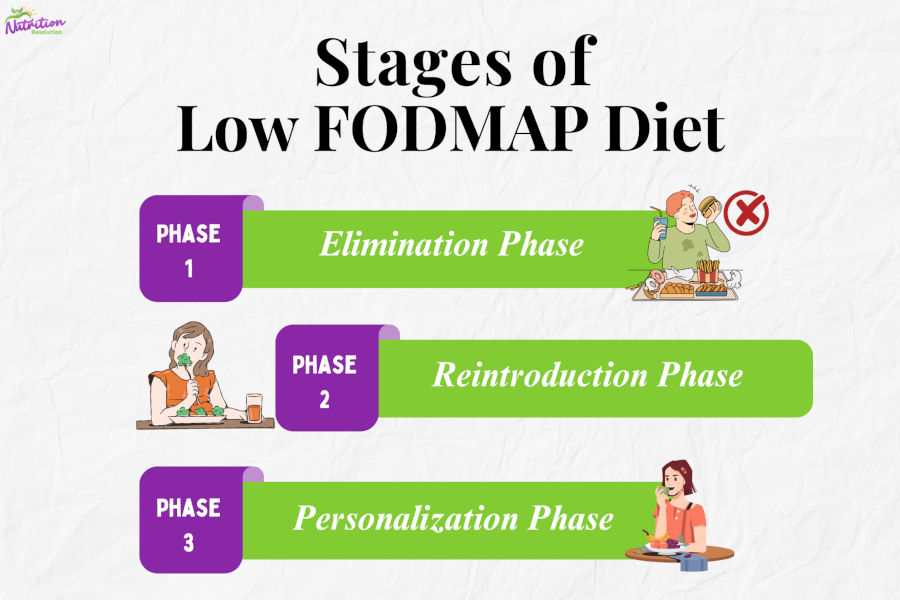
Phase 1: The Elimination Phase
The first step in the Low FODMAP Diet is the Elimination Phase, where high-FODMAP foods are removed for about 4-6 weeks to allow the gut to reset and reduce symptoms like bloating, gas, and discomfort. Many patients experience their biggest transformation and symptom relief during this phase, which can make it tempting to stay here, but it’s a temporary step to create a baseline for digestive health. Progressing through the next phases is crucial for long-term success, building gut resilience, and restoring dietary variety.
Phase 2: The Reintroduction Phase
Next comes the Reintroduction Phase, where FODMAP groups are carefully added back one at a time. This phase helps you pinpoint which foods or food groups trigger your symptoms while also determining how much you can tolerate—even in cases where larger amounts may not be manageable, but smaller portions are. By taking it slow and tracking your reactions, you’ll gain a clearer understanding of how your body responds to different foods and build confidence in expanding your diet as much as possible.
Phase 3: The Personalization Phase
The final step is the Personalization Phase, where you transition to a sustainable, long-term way of eating. Here, you focus on your personal tolerance levels, reintroducing as many healthy foods as possible while still avoiding known triggers. The goal is to find a balance that supports both your gut health and enjoyment of food, so you can live symptom-free without over-restriction.
Tips for Success
Meal Prepping
Meal prepping can be a game-changer when following the Low FODMAP Diet. By preparing meals and snacks in advance, you’ll avoid the stress of figuring out what to eat on the fly, especially when options might be limited. Look for simple, Low FODMAP recipes that can be made in bulk, so you always have something safe and delicious on hand.
Read Labels to Avoid Hidden High-FODMAP Ingredients
This is one of the most overlooked areas I see! You may have received a one-page handout from your doctor listing high-FODMAP dairy products, fruits, vegetables, and legumes to avoid, but you might not realize how many high-FODMAP ingredients hide in packaged foods under unfamiliar names like inulin, FOS, maltitol, agave, and more. These hidden ingredients can make navigating the diet more challenging if you’re not aware of them.
Reading food labels is an essential skill for success, as high-FODMAP ingredients like high-fructose corn syrup, sweeteners, fiber additives, and other triggers are common in processed foods. Using trusted Low FODMAP food lists or apps, like the ones I recommend in my IBS Resource Guide, can help you quickly determine if a food is safe to eat. Developing this habit ensures the best results when following the Low FODMAP Diet.
Work with a Dietitian
Working with a dietitian is one of the best ways to maximize your results on this diet. A dietitian can provide guidance tailored to your unique needs, help troubleshoot any challenges, and ensure your diet remains balanced and nutritious. You don’t have to navigate this alone—expert support can make the process smoother and more effective.
Challenges and Limitations of the Low FODMAP Diet
Avoiding a Low FODMAP “Junk Food” Trap
When not done thoughtfully, the Low FODMAP Diet can turn into a “junk food” version of itself. It’s easy to avoid high-FODMAP fruits, vegetables, and grains, but without replacing them with a variety of healthy, low-FODMAP options, your diet can become unbalanced and nutrient-poor. This can lead to an over-reliance on refined gluten-free products or high-sugar snacks, which fail to support a healthy microbiome or overall well-being.
The Risks of Navigating It Without Professional Guidance
Trying to navigate the Low FODMAP Diet without a dietitian can lead to unnecessary mistakes, such as eliminating foods that aren’t triggers or missing opportunities to reintroduce beneficial options. A dietitian ensures you follow the diet safely and effectively while meeting your nutritional needs. Many of my patients are surprised to discover they have more food options than they realized once they understand portion sizes, balance FODMAPs throughout the day, and find creative meal ideas.
When the Root Cause Needs More Than Diet
The Low FODMAP Diet is not a cure-all and doesn’t fully address more significant underlying issues like SIBO, dysbiosis, or impaired digestion. These conditions often require a more comprehensive approach, such as rebalancing the gut microbiome, improving digestive enzyme function, and addressing overall gut health. Functional nutrition complements the Low FODMAP Diet by tackling these root causes and supporting long-term healing and resilience.
Take Control of Your Digestive Health
The Low FODMAP Diet is more than just a temporary solution—it’s a powerful tool for understanding your body, managing digestive symptoms, and building a sustainable way of eating. By identifying your personal food triggers and restoring dietary balance, this approach empowers you to take control of your gut health and improve your quality of life.
While the journey may feel overwhelming at first, with the right guidance and resources, you can navigate this diet confidently and effectively. If you’re ready to get started or need personalized support, working with a dietitian can help you overcome challenges and achieve lasting results. Your path to calmer digestion and a healthier gut starts here!