Download Your 30 day low fodmap meal plan pdf
If you’re dealing with Irritable Bowel Syndrome (IBS), you know that finding the right foods can feel like an endless challenge. Symptoms like abdominal pain, bloating, constipation, and diarrhea can make eating stressful. Fortunately, a tailored diet can be an effective way to manage IBS symptoms. With this low FODMAP diet meal plan, you’ll have a structured approach to eating that aims to bring relief.
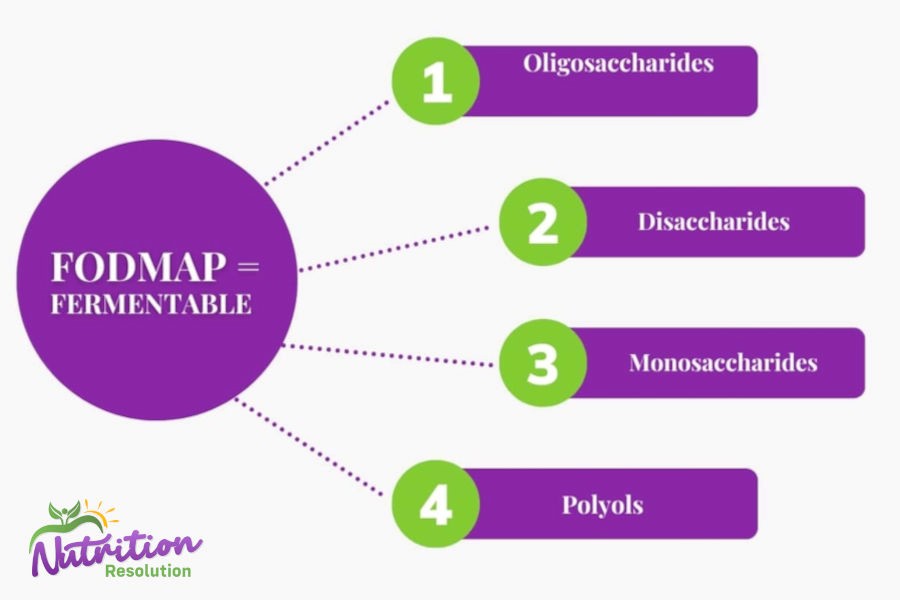
As a registered dietitian specializing in digestive health, I’ve seen firsthand the amazing transformations a simple low FODMAP meal plan can bring. Often, people who have suffered for decades, even after visiting prominent medical specialists and institutions, can’t believe that a diet change ended up being such a powerful solution. The relief is often quick and truly life-changing, helping people feel better fast and regain the confidence to enjoy food without constant worry. A structured plan based on the low FODMAP diet—FODMAP standing for Fermentable Oligosaccharides, Disaccharides, Monosaccharides, and Polyols—has been shown to ease digestive discomfort. These are simply scientific terms for certain carbohydrates that can trigger symptoms like bloating, gas, and abdominal pain. By reducing these carbs, a low FODMAP plan helps relieve symptoms for those with digestive issues.
In this blog post, I’ll guide you through everything you need to know about using the low FODMAP diet meal plan to manage your symptoms. I’m sharing the same tools and information that have helped hundreds of my clients find real relief. You’ll find a complete overview of the diet along with a free printable low FODMAP diet guide featuring 4 weeks of meals and snacks including recipes and grocery lists.
Whether you’re new to the low FODMAP diet or looking for more effective strategies, this guide has you covered. So, let’s get you back to enjoying food without worry—because everyone deserves to eat with confidence!
Get your 30-day fodmap diet plan pdf here
Understanding IBS and the Role of the FODMAP Diet
IBS is a digestive condition that can cause symptoms like gas, bloating, abdominal pain, and changes in bowel movements. It can show up in a few different ways: IBS-C (where constipation is the main issue), IBS-D (where diarrhea is more common), or IBS-M (a mix of both). Since certain foods can trigger IBS symptoms, finding the right diet is key to feeling better.
One of the most effective approaches is the low FODMAP diet. FODMAPs are types of carbohydrates in some foods that can pull extra water into the intestines and create gas, which can lead to bloating, discomfort, and cramps. By cutting back on these foods, the low FODMAP diet helps to ease those symptoms and can make bowel movements more regular, whether someone is dealing with constipation, diarrhea, or both.
Many people notice a real difference within just a few days of starting a low FODMAP diet meal plan, making it a practical, structured way to find relief and improve quality of life. The diet also has a gradual reintroduction phase, where you add higher FODMAP foods back in one at a time. This step lets you pinpoint specific triggers, helping you build a personalized and lasting way to manage IBS.
Beyond IBS: Other Conditions a Low FODMAP Diet Can Help
The low FODMAP diet is widely known for managing IBS, but it can also help with other digestive conditions that cause similar symptoms. Emerging research suggests that people with small intestinal bacterial overgrowth (SIBO) may find relief using a low-FODMAP approach. While studies on SIBO are still limited, the diet’s success in alleviating IBS symptoms—which often overlap with SIBO—shows promise for reducing bloating, gas, and discomfort associated with bacterial overgrowth.
For those with inflammatory bowel disease (IBD), particularly patients with functional gastrointestinal symptoms, studies have shown that a low-FODMAP diet can help manage discomfort. However, it’s essential to follow this diet under medical supervision, as long-term adherence may affect gut bacteria balance.
Some individuals with celiac disease may also benefit from a low-FODMAP diet, as eliminating gluten alone does not always resolve digestive symptoms. Additionally, people with endometriosis—where digestive symptoms are common—may find reduced inflammation and less abdominal pain by incorporating low-FODMAP principles.
Overall, the low-FODMAP diet is a valuable option, not just for IBS, but for anyone facing food-related digestive challenges, especially when guided by a health professional to maximize benefits and support gut health.
Considerations of the Low FODMAP Diet
While the low FODMAP diet can be a game-changer for managing IBS symptoms, there are a few things to keep in mind before diving in.
The Low FODMAP Diet Isn’t Meant to Be Followed Forever
The elimination phase is intended to be short-term. Staying in this phase too long can make it difficult to get all the nutrients you need, which may impact your energy, overall health, and the variety in your diet.
It Can Impact Your Good Gut Bacteria
Many high-FODMAP foods contain prebiotics that help feed the beneficial bacteria in your gut. Cutting these foods out for too long can reduce the diversity of your gut bacteria, potentially leading to other digestive issues. Moving on to the reintroduction and personalization phases is essential for maintaining a healthy and balanced microbiome.
It’s Tricky When Eating Out or Traveling
The low FODMAP diet can be challenging to follow, especially when dining out or on the go. Finding low FODMAP options in social settings can be tough, which may make it harder to manage symptoms without feeling socially limited.
Finding the Root Cause Is the Key
While the low FODMAP diet can provide real relief, it’s also important to dig deeper to find the underlying cause of your digestive issues. Working with a healthcare professional to identify things like SIBO, food sensitivities, or other root issues can help you achieve lasting relief and a more flexible, balanced diet.
How the Low FODMAP Diet Works The low FODMAP diet is designed to help you find and manage food triggers in three simple steps: elimination, reintroduction, and personalization. This downloadable 30-day meal plan will guide you through the elimination phase with easy, gut-friendly recipes that cut back on high-FODMAP foods to help you feel better fast. Once you finish this phase, you’ll move into reintroduction and personalization to create an eating plan that works for you.

Elimination Phase
In the first phase, we take a break from all high-FODMAP foods, which are common triggers for IBS symptoms like gas, bloating, and stomach pain. The goal is to give your digestive system some relief so you can start to feel better quickly and create a stable baseline of low symptoms for reintroduction. This 30-day plan is designed to make this step easy and straightforward, so you can get started with confidence.
Reintroduction Phase
Once your symptoms are under control, it’s time to gradually reintroduce FODMAP-containing foods, one category at a time. This phase allows you to test different types of FODMAPs, helping you pinpoint which ones—and how much—your body tolerates well and which may cause issues. By reintroducing foods slowly and systematically while carefully monitoring your symptoms, you’ll gain a clear understanding of what works best for you.
Personalization Phase
In the personalization phase, you use what you’ve learned from reintroduction to create a long-term eating plan tailored specifically to your body’s needs. Since IBS triggers can be highly individual, everyone’s personalization phase will look a bit different. This phase offers more food freedom while still keeping symptoms in check, with the goal of achieving balance and flexibility so you can make confident food choices and enjoy meals without worry.
Download your FODMAP diet pdf here
What to Expect in the IBS Meal Plan PDF
The FODMAP Diet plan PDF provides a 4-week menu planner designed to ease symptoms and make following a low FODMAP diet enjoyable and sustainable. Here’s what you’ll receive:
- 4-Week Menu Plan
A balanced, easy-to-follow low FODMAP diet menu for breakfast, lunch, dinner, and snacks. Each meal is crafted to provide the nutrition you need to feel energized, manage cravings, and stay satisfied while being gentle on your digestive system. This structured plan helps calm symptoms quickly, allowing you to enjoy food again without the discomfort. - Simple, Tasty Recipes
Every meal in this easy low FODMAP meal plan features simple and flavorful recipes that make cooking enjoyable and accessible, even for beginners. - Weekly Grocery Lists
Each week includes a complete grocery list, complete with all the essentials to support low fodmap meal planning and symptom-friendly meals.
This comprehensive meal plan takes the guesswork out of eating for IBS, giving you a path to symptom relief, balanced nutrition, and foods you can look forward to each day.Key Foods to Include and Avoid in a Low FODMAP Diet
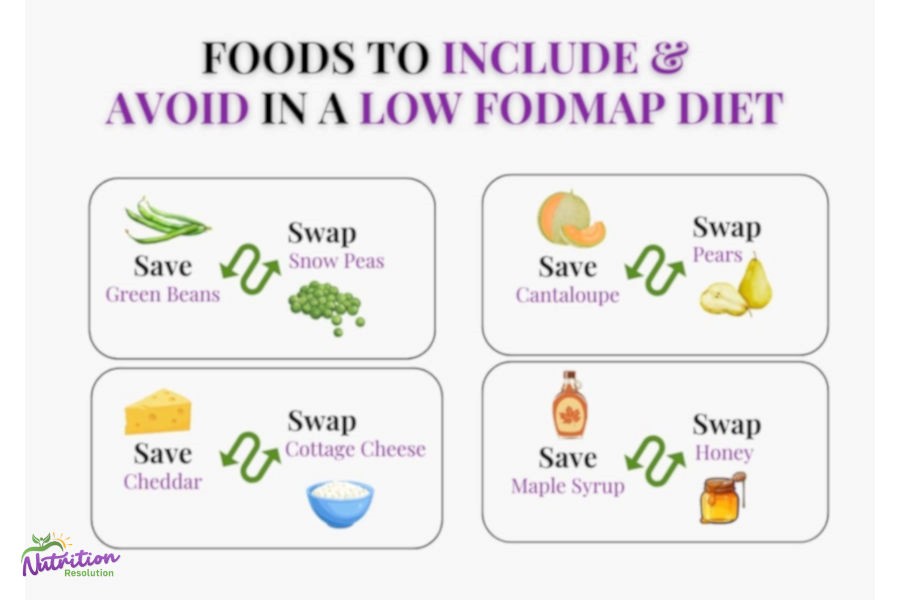
Knowing which foods to include and avoid is essential for managing IBS symptoms effectively. Here’s a breakdown by food group to guide you:
- Vegetables
- Include: Bell peppers, carrots, zucchini, spinach, tomatoes, lettuce, and green beans.
- Avoid: Onions, garlic, cauliflower, mushrooms, asparagus, and snow peas.
- Fruits
- Include: Citrus fruits (oranges, lemons, limes), bananas, strawberries, blueberries, and cantaloupe.
- Avoid: Apples, pears, mangoes, watermelon, cherries, and high-fructose dried fruits like raisins and figs.
- Proteins
- Include: Lean proteins such as chicken, turkey, lean beef, eggs, fish, and firm tofu.
- Avoid: Processed meats that may contain high-FODMAP ingredients like onion or garlic, as well as legumes like beans, lentils, and chickpeas.
- Dairy
- Include: Lactose-free dairy products like lactose-free milk, hard cheeses (cheddar, Swiss), and Greek yogurt in small amounts.
- Avoid: Regular milk, soft cheeses (like ricotta and cottage cheese), ice cream, and yogurt made with regular milk.
- Grains
- Include: Gluten-free grains and starches such as rice, oats, quinoa, and potatoes.
- Avoid: Wheat-based products like bread, pasta, and cereals that contain high FODMAPs, as well as rye and barley.
- Sweeteners
- Include: Small amounts of pure maple syrup, cane sugar, and stevia.
- Avoid: High-FODMAP sweeteners like honey, high-fructose corn syrup, agave, and sugar alcohols (e.g., sorbitol, mannitol, xylitol).
Tips for Following a FODMAP Diet Plan for IBS
Starting the low FODMAP diet can feel a bit overwhelming, but these tips will help you stick to your low FODMAP diet meal plans with ease:
- Keep It Simple at First
To start, stick with simple, whole foods you know are low-FODMAP. Try lean proteins, rice, potatoes, and a basic salad with spinach, carrots, and bell peppers, topped with a little olive oil and lemon juice. Keeping it simple at first helps you focus on feeling better without the fuss of complicated recipes. - Plan Ahead
A little prep goes a long way! Take a few minutes each week to plan meals, make a grocery list, and batch-cook a few things in advance. This way, you’re not scrambling for food and can easily reach for low FODMAP options, even on busy days. - Read Labels Carefully
Many packaged foods contain hidden FODMAPs, so it’s essential to check ingredient lists. My IBS Resource Guide includes an app to make grocery shopping easier by helping you quickly identify low FODMAP options. - Stay Flexible with Dining Out
If only each restaurant had a low FODMAP menu—maybe someday! For now, dining out can be a bit tricky, but a little flexibility goes a long way. Look for dishes you can modify, or keep a mental list of go-to low-FODMAP options. Don’t hesitate to ask questions or make special requests—you deserve to enjoy your meal! - Find Support
You’re not alone on this journey! Whether it’s joining an online group, talking with a dietitian, or finding a buddy who understands, having support makes sticking to the low FODMAP diet easier and a lot more enjoyable.
Download the Free IBS Meal Plan PDF
I want you to find the same relief that so many of my clients have and finally get back to living the life you love. You don’t have to navigate IBS alone—download the free IBS Meal Plan PDF to get started with practical meal ideas, low FODMAP recipes, and more. This guide is designed to take the guesswork out of low FODMAP meal planning, offering an easy-to-follow diet sheet for IBS with meals, snacks, and portion sizes all mapped out for you.
To access your printable IBS diet guide, just click the link below and enter your email. You’ll get the PDF sent directly to your inbox, so you can confidently follow a low FODMAP plan wherever life takes you.
Additional Resources for the Low FODMAP Diet
Getting started with the low FODMAP diet can feel like a lot, but I’ve put together some resources to make the journey easier and more manageable for you:
- Printable FODMAP Charts and Lists
Keep a FODMAP chart handy for quick reference to see which foods are safe and which should be limited. This will make navigating the diet so much easier! - IBS Resource Guide
My IBS Resource Guide is filled with practical tools and tips to make the low FODMAP diet easier. It includes apps for finding low-FODMAP foods and grocery shopping, plus recommendations for symptom relief to keep you feeling your best. - High Fiber Low FODMAP Foods List
If constipation is a concern, I’ve got you covered! Many high-fiber foods—like wheat bran, beans, and dried fruits—are high in FODMAPs, so finding options that are both low-FODMAP and fiber-rich can feel tricky. This list has all my go-to high-fiber, low-FODMAP foods so you can stay regular without triggering symptoms. - First Week on FODMAP Easy Family Meal Picklist
If you’re a busy mom or just don’t want to cook separate meals for yourself and your family, I’ve created a collection of family-friendly, low-FODMAP meals that everyone will enjoy! These are recipes that the whole family can eat, so you can hit the ground running without the stress of making two meals. - Low FODMAP Fast Food Guide
Eating out on a low FODMAP diet can be stressful, but sometimes you need a quick option! My Low FODMAP Fast Food Guide has you covered with safe choices you can order on the go, so you don’t have to worry about finding something that fits your plan. This guide makes grabbing a quick bite low-FODMAP-friendly and stress-free. - Supportive Community
Join my free online Facebook community to connect with others who are also following a low FODMAP diet. IBS can feel isolating—after all, most of us don’t love chatting about bathroom issues with friends! This group offers a safe space to share experiences, recipes, and tips with people who truly get it.
Conclusion
Living with IBS doesn’t have to mean endless food struggles or constant discomfort. By following a structured low FODMAP diet meal plan, you can finally experience relief and enjoy meals without worry. I’ve seen so many clients transform their quality of life by making these simple dietary changes, and I want the same for you.
Ready to start feeling better? Download the free 30-Day Low FODMAP pdf to get practical, tasty meal ideas and take the guesswork out of your diet. Just click the link below, enter your email, and your plan will be sent directly to your inbox—making it easy to follow wherever life takes you!